
Explore Donegal
Our guide to the best of the county
Local knowledge
Make the most of your time here
Donegal sits at Ireland's north-western edge: a county of 601-metre sea cliffs, a 170 km² national park, over 1,100 km of Atlantic coastline, and towns where traditional music is played most nights of the week. We know this place well — here's what we recommend.
The highlights
Not to be missed
Slieve League Cliffs
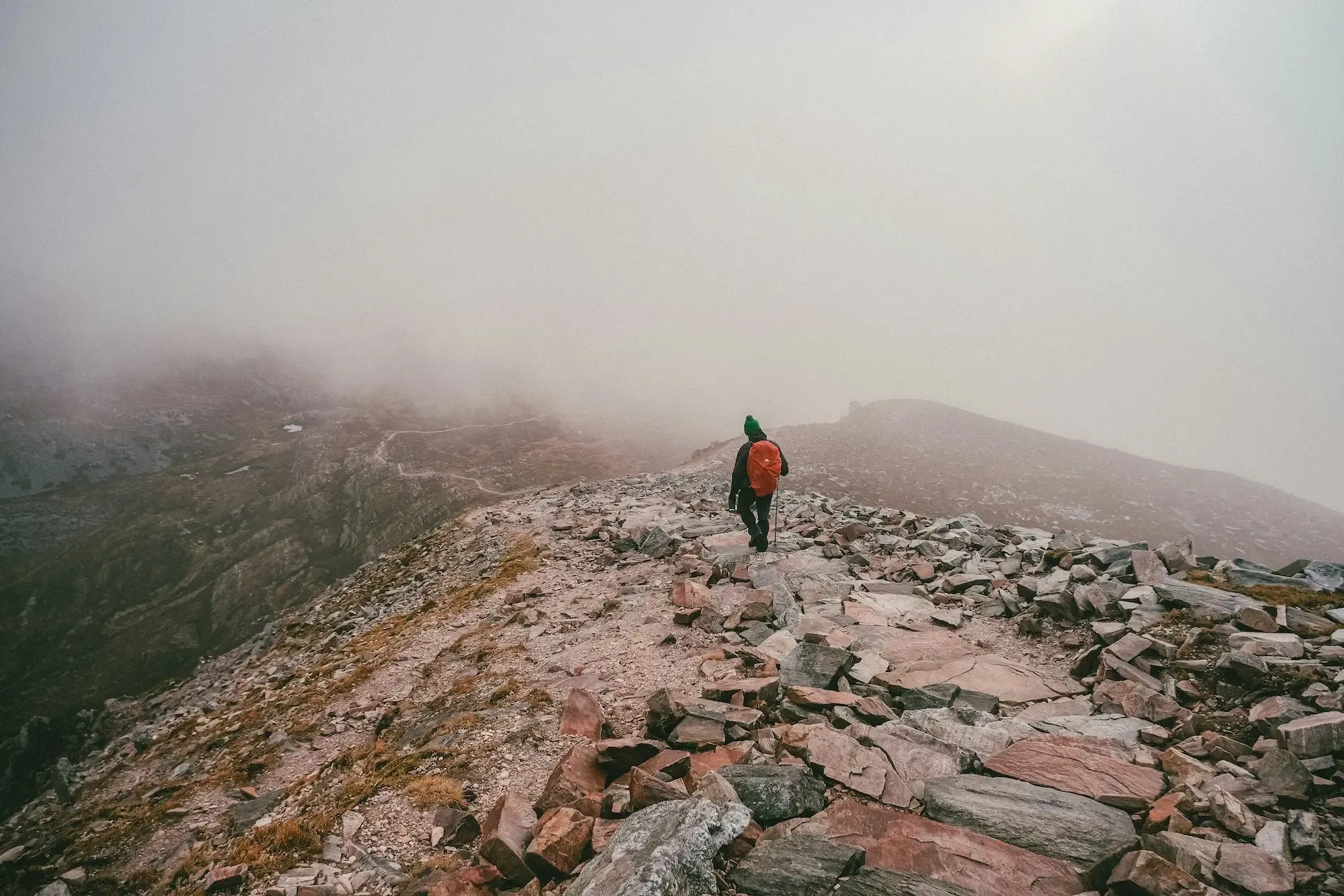
At 601 metres, among the highest sea cliffs in Europe — three times the height of the Cliffs of Moher, and without the crowds. The drive takes 45 minutes from the Manor. Allow half a day; more if you want to walk the ridge. A clear day is transformative.
Glenveagh National Park
A glacial valley about an hour north: ancient oak woodland, a shimmering lough, and a Victorian castle with formal gardens. Take the shuttle from the visitor centre and spend the afternoon at the castle. The park covers 170 km² — a full day goes quickly.
Donegal Town
The 15th-century O'Donnell castle is right in the centre of town, a five-minute walk from the Manor. The Craft Village — potters, weavers, and jewellers working in studios you can walk into — is ten minutes on foot. More than enough for a full afternoon.
Traditional music
McCafferty's on the main street runs trad sessions seven nights a week — the liveliest room in town. For something quieter, Biddy's O'Barnes at Barnesmore Gap (15 minutes south) does turf fires, live music, and what many consider the finest Guinness in the county.
The beaches
Murvagh is 10 minutes from the Manor — quiet, backed by dunes, ideal for a morning walk. Rossnowlagh (20 min south) is a wide, south-facing surf beach with board hire on the beach. Narin and Portnoo (45 min west) is one of Donegal's finest, with a tidal island you can walk to at low water.
Ardara & Donegal tweed
Ardara is 45 minutes west: the heartland of Donegal tweed, with working studios where you can watch the weaving and buy directly from the makers. Combine it with Narin beach for a full day out, or stop through on the way back from Slieve League.
Things to Do
Attractions, day trips, beaches, and more
Things to Do
Slieve League cliffs, Glenveagh National Park, beaches, Donegal Castle, and everything else worth your time.
Read the guide →
3-Night Itinerary
A day-by-day long weekend guide: Slieve League, the best pubs, and how to make the most of three nights in Donegal.
Read the guide →

Saunas
Wood-fired waterside saunas and cold dip experiences within easy reach of the Manor.
Read the guide →
Eat & Drink
Our recommendations in and around Donegal Town

Where to Eat
Our favourite restaurants and pubs in and around Donegal: from waterfront seafood to a legendary mountain pub.
Read the guide →

Coffee & Cafes
The best coffee shops in Donegal Town: from speciality flat whites to a cafe-bar that turns into a cocktail bar at weekends.
Read the guide →

Pubs & Bars
Live trad sessions, great Guinness, and proper Irish nights out: the pubs worth your evening in and around Donegal.
Read the guide →
Getting Around
Taxis, minibuses, and day trips

Everything on one map
All our recommendations, across every guide
What is there to do near Donegal Town?
Slieve League (45 min) and Glenveagh National Park (1 hour) are the standout day trips. Closer to town: Donegal Castle is a 5-minute walk, Murvagh beach is 10 minutes away, and Lough Eske is a 10-minute drive. The Wild Atlantic Way runs through here, with coastal scenery in every direction.
How far is Donegal from Dublin?
Donegal Town is approximately 230 km from Dublin: around 3 hours from Dublin Airport and 3.5 hours from Dublin city centre by car via the N3 and N15. Bus Éireann and Expressway run daily coach services. There is no direct rail connection to Donegal Town.
What is Donegal known for?
Donegal is known for Slieve League (601-metre sea cliffs, among the highest in Europe), the Wild Atlantic Way, Glenveagh National Park, traditional tweed weaving in Ardara, and a strong tradition of Irish music. It is Ireland's second-largest county by area, with over 1,100 km of Atlantic coastline.
Do you need a car to explore Donegal?
A car makes the county much easier to explore. Most of the best scenery — Slieve League, Glenveagh, the beaches — requires driving. Donegal Town itself is walkable. Without a car, local taxis and private minibuses can take you anywhere on this list: see our getting around guide for contacts and prices.
What is the best beach near Donegal Town?
Murvagh is the closest — 10 minutes from the Manor, a quiet strand backed by dunes on the edge of Donegal Bay. Rossnowlagh (20 minutes south) is wider, south-facing, and one of the best surf beaches in the county, with board hire and lessons available on the beach. For something further, Narin and Portnoo (45 minutes west) is one of Donegal's finest strands, with a tidal island accessible at low water.
When is the best time to visit Donegal?
May, June, and September offer the best balance of weather, daylight, and crowd levels. July and August are the warmest months but the busiest — Slieve League and Glenveagh are at their most visited. October through April is quieter and less expensive; the landscape is just as dramatic, though some seasonal attractions have reduced hours or are closed.
What is the weather like in Donegal?
Donegal has a mild, wet Atlantic climate. Summers average 15–18°C; winters rarely fall below 3–5°C. Rain is possible year-round — dress in layers and check the forecast before heading to Slieve League or the exposed cliff walks. The light in Donegal after rain is worth the wait.
Staying with us?
Book direct and save at least 10%. Cancel free up to 14 days before arrival.